Skinny Script: A Strategic Tool for Creative Communication and Branding
When it comes to visual communication, the right font can make all the difference. Skinny Script, with its wide width and child-like feel, is more than just a decorative choice—it's a strategic asset that can enhance your brand's personality, improve readability in specific contexts, and support creative projects with a unique aesthetic. This article explores how Skinny Script can be used intentionally to achieve better results across various fields, from branding to content creation.
The Unique Characteristics of Skinny Script
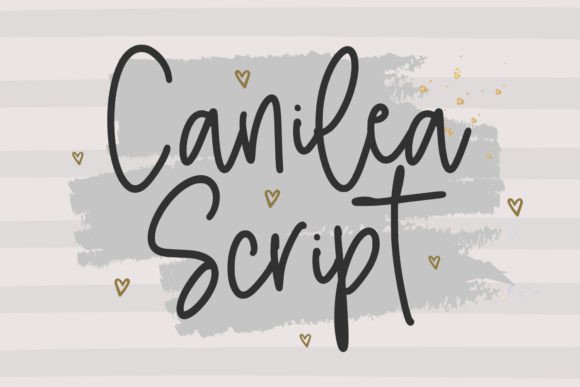
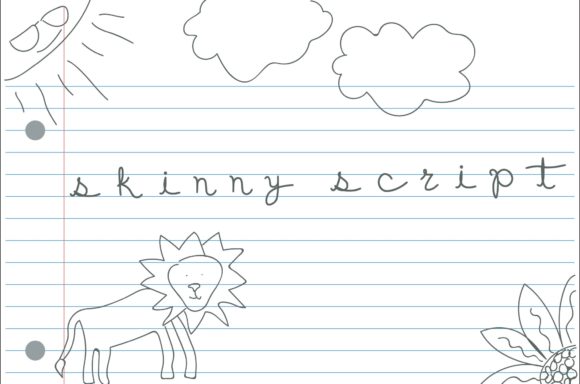
Skinny Script is a fun script font known for its distinctive wide width. Unlike traditional script fonts that often lean into elegance or formality, Skinny Script carries a playful, approachable vibe. Its design evokes a sense of simplicity and innocence, which can be incredibly effective when trying to communicate ideas that are meant to be engaging, accessible, or even whimsical.
This font is particularly useful for audiences who appreciate a balance between professionalism and creativity. It's not overly ornate, so it doesn't distract from the message being conveyed. Instead, it adds a subtle layer of personality that can make text more memorable and relatable.
Strategic Use Cases for Skinny Script
Knowing when and where to use Skinny Script is key to leveraging its benefits effectively. Here are several practical scenarios where this font can serve as a valuable tool:
- Brand Identity: For startups, creative agencies, or lifestyle brands, Skinny Script can help establish a friendly, youthful brand image. It works well on logos, taglines, or social media profiles that aim to feel inviting and approachable.
- Content Creation: Bloggers, influencers, and educators can use Skinny Script to add visual interest to headings, call-out boxes, or captions. It's especially effective when paired with clean sans-serif fonts for body text, creating a balanced and visually appealing layout.
- Marketing Materials: Flyers, posters, and promotional materials benefit from the playful yet professional look of Skinny Script. It helps draw attention without overwhelming the reader, making it ideal for campaigns targeting younger demographics or niche markets.
- Product Packaging: If you're designing packaging for products that emphasize fun, creativity, or simplicity, Skinny Script can reinforce those values through typography. It’s perfect for items like children’s toys, stationery, or artisanal goods.
- Personal Projects: Freelancers, artists, and hobbyists can incorporate Skinny Script into their portfolios, resumes, or personal websites to showcase their creative side while maintaining a professional tone.
By aligning the use of Skinny Script with your brand's goals and audience expectations, you can create more impactful and cohesive visual communication.
How to Approach Using Skinny Script Strategically
While Skinny Script offers many advantages, it's important to use it thoughtfully. Here are some guidelines to help you integrate this font into your designs and content effectively:
- Define Your Purpose: Before choosing any font, ask yourself what you want to achieve. Is the goal to grab attention, convey a specific emotion, or reinforce a brand identity? Aligning the font with your objectives ensures it serves a functional role rather than being a random stylistic choice.
- Test Readability: Even though Skinny Script has a charming appearance, it's essential to ensure that it remains legible. Avoid using it for long blocks of text or in small sizes where it might become difficult to read. Instead, reserve it for short phrases, headlines, or accents.
- Pair Wisely: To maintain visual harmony, pair Skinny Script with complementary fonts. A clean sans-serif font like Helvetica or Arial can provide contrast and balance, making the overall design more polished and professional.
- Consider Context: The appropriateness of Skinny Script depends on the context. While it may work well for a children's book or a lifestyle blog, it might not be suitable for formal documents, legal texts, or technical manuals. Always evaluate whether the font aligns with the tone and purpose of the content.
- Use Sparingly: Overusing any font can lead to visual clutter and diminish its effectiveness. Apply Skinny Script selectively—perhaps in headers, buttons, or icons—to keep the design focused and intentional.
By following these principles, you can avoid common pitfalls and ensure that Skinny Script enhances rather than detracts from your message.
Risks of Using Skinny Script Without Clear Goals
While Skinny Script can be a powerful tool, using it without a clear strategy can lead to unintended consequences. Here are some potential risks to be aware of:
- Misaligned Branding: If you're not careful, using Skinny Script could send mixed signals about your brand's identity. It might come off as unprofessional or inconsistent if it doesn't match the overall tone and style of your business.
- Reduced Legibility: As mentioned earlier, Skinny Script isn't always the best choice for large amounts of text. Using it inappropriately can make your content harder to read, leading to confusion or disengagement from your audience.
- Lack of Cohesion: Fonts should complement each other, not compete. Failing to pair Skinny Script with appropriate supporting fonts can result in a jarring or unbalanced design that doesn't reflect your intended message.
- Overuse and Saturation: Like any trend, overusing Skinny Script can lead to saturation. If everyone starts using the same font, its impact may diminish, and your design may lose its uniqueness.
To mitigate these risks, always consider the broader design ecosystem and ensure that Skinny Script serves a clear, strategic purpose within it.
Planning Tips for Integrating Skinny Script into Your Work
If you're planning to use Skinny Script in your next project, here are some actionable tips to guide your decision-making process:
- Conduct Audience Research: Understand who your target audience is and what fonts they respond to. If your audience prefers modern, minimalist designs, Skinny Script may be an excellent fit. However, if your audience is more traditional, you may need to adjust your approach accordingly.
- Create a Style Guide: Develop a comprehensive style guide that outlines the appropriate use of Skinny Script in your brand or project. This will help maintain consistency across all platforms and prevent misuse.
- Experiment with Layouts: Try different layouts and combinations to see how Skinny Script interacts with other elements of your design. Pay attention to spacing, alignment, and color contrast to ensure the font stands out without overwhelming the rest of the content.
- Seek Feedback: Get input from colleagues, clients, or users to gauge how effective your use of Skinny Script is. Their feedback can help you refine your approach and make adjustments as needed.
- Stay Updated: Keep an eye on design trends and updates related to Skinny Script. New versions or variations may emerge that offer improved functionality or aesthetics, allowing you to stay ahead of the curve.
With careful planning and execution, you can harness the power of Skinny Script to elevate your visual communication and achieve better outcomes.
Conclusion
Skinny Script is more than just a fun script font—it's a strategic tool that can support your goals, enhance your brand, and improve your communication efforts. By understanding its characteristics, applying it thoughtfully, and avoiding common mistakes, you can use it to create more engaging, effective, and memorable designs. Whether you're building a brand, crafting content, or designing marketing materials, Skinny Script can be a valuable addition to your toolkit when used with intention and purpose.