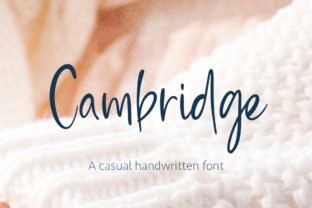
Cambridge Script: A Timeless Calligraphy Font for Modern Creativity
Cambridge Script is more than just a font—it's an elegant expression of creativity and craftsmanship. As a fresh, handmade calligraphy font, it brings a unique blend of sophistication and readability to any design project. Whether you're designing wedding invitations, branding materials, or even blog headers, Cambridge Script can elevate your work with its flowing lines and classic appeal.
Why Choose Cambridge Script?
Cambridge Script stands out for its ability to merge traditional calligraphy with modern usability. Its elegant style makes it ideal for branding, while its readability ensures that it remains legible even in smaller sizes. This font is particularly well-suited for projects where a touch of personality and professionalism is needed without compromising clarity.
Many designers and creators choose Cambridge Script because of its versatility. It works beautifully on both digital and print media, making it a go-to option for a wide range of applications. From book covers to small business logos, this font has the power to make your content stand out in a crowd.
Common Mistakes When Using Cambridge Script
While Cambridge Script is a powerful tool, there are some common pitfalls that users often encounter. One of the most frequent mistakes is using it in situations where it doesn't fit the context. For example, applying it to a technical document or a data-heavy report might reduce readability and confuse the reader.
Mistake: Overusing Cambridge Script on every element of a design. This can lead to visual clutter and distract from the main message.
Better Approach: Reserve Cambridge Script for headings, titles, or decorative elements rather than body text. This keeps your design clean and focused.
Another mistake is not considering the font size and spacing when using Cambridge Script. Because of its ornate nature, it may require more space than other fonts. Failing to adjust the layout accordingly can result in cramped or unbalanced designs.
Mistake: Using Cambridge Script without checking its compatibility with your chosen platform or software.
Better Approach: Always verify that the font supports the language and characters you need. Some versions of Cambridge Script may not include all necessary glyphs, especially if you're working with multiple languages or special symbols.
What to Check Before Using Cambridge Script
Before incorporating Cambridge Script into your project, take a moment to evaluate a few key factors. First, consider the purpose of your design. Is Cambridge Script the best choice for the tone and message you want to convey? If your goal is to communicate information clearly, then a simpler sans-serif font might be more appropriate.
Next, think about the audience you're targeting. Cambridge Script has a classic and elegant feel, which may resonate well with older demographics or those who appreciate traditional aesthetics. However, if your audience prefers a more modern or minimalistic look, another font could be a better fit.
You should also check the licensing terms associated with Cambridge Script. Some fonts come with restrictions on commercial use, so it's important to understand what you're allowed to do with the font once you've downloaded it. If you're planning to use it for a client project or a business application, ensure that you have the proper license to avoid legal issues.
Practical Tips for Working with Cambridge Script
To get the most out of Cambridge Script, follow these practical tips:
- Use it sparingly: Limit Cambridge Script to headlines or accents rather than large blocks of text. This preserves readability and maintains a professional appearance.
- Experiment with spacing: Adjust letter and line spacing to accommodate the script's natural flow. This will prevent your text from appearing too crowded or cramped.
- Pair it with complementary fonts: Combine Cambridge Script with a clean, sans-serif font for body text. This creates a balanced and visually appealing layout.
- Check for consistency: Ensure that the font is used consistently throughout your design. Inconsistent use can create a disjointed look and undermine the overall aesthetic.
By keeping these tips in mind, you'll be able to use Cambridge Script effectively while avoiding common design missteps.
Real-World Examples of Cambridge Script in Action
Cambridge Script has been successfully used in various creative fields. For instance, many wedding planners use it for invitation cards due to its romantic and timeless feel. Similarly, book designers often incorporate it into cover art to give their publications a sense of elegance and charm.
Small businesses, such as boutique shops or artisanal cafes, frequently use Cambridge Script in their branding to create a distinctive identity. The font adds a personal touch that helps them stand out in a competitive market.
Bloggers and content creators also benefit from Cambridge Script when designing headers or featured images. Its stylish appearance can help draw attention to key sections of their posts while maintaining a professional tone.
Conclusion
Cambridge Script is a versatile and elegant font that can enhance a wide range of design projects. By understanding its strengths and limitations, you can use it effectively to create visually appealing and professional results. Avoiding common mistakes and following best practices will ensure that your use of Cambridge Script is both impactful and appropriate for your needs.